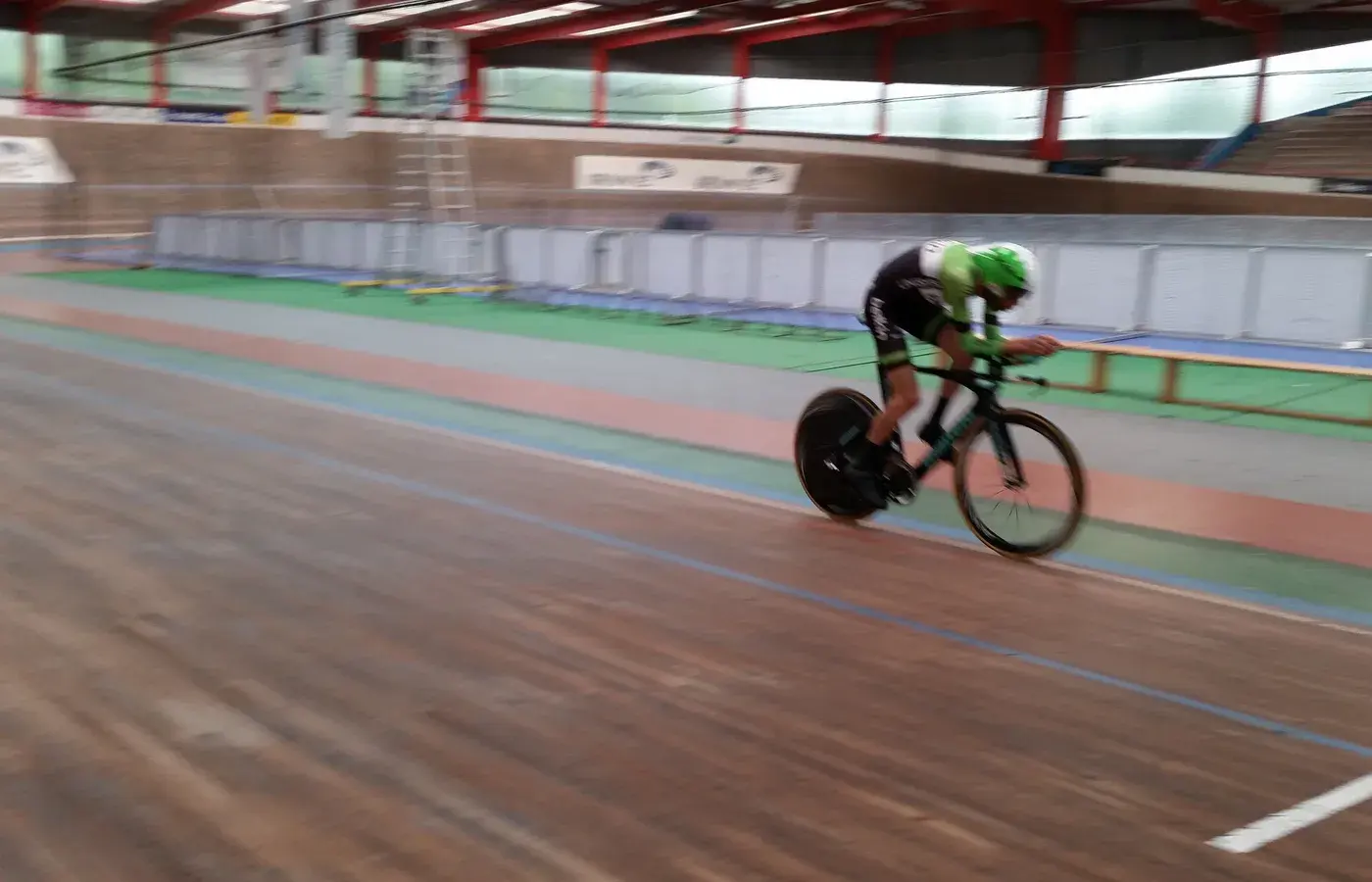
Cycling aerodynamic testing is for riders who want to compare changes more methodically instead of assuming that a lower front end, a new helmet or a different pad width must be faster. Testing matters because aero decisions are full of false confidence.
You work directly with me, Lloyd Thomas. I use a practical rider-first approach. The point is to test meaningful changes, understand the trade-offs and leave with clearer evidence about which direction is worth pursuing.
What aerodynamic testing is useful for

What looks fast is not always fast, and what feels extreme is not always effective. Testing is useful when the decision matters enough that guessing is expensive.
This service is less about building a position from scratch and more about comparing options with better evidence.
- comparing two position options instead of guessing
- checking whether a planned equipment change is likely to be worthwhile
- understanding whether comfort losses are justified by the speed gain
- building a clearer decision process before spending more money
How this differs from an aero fit
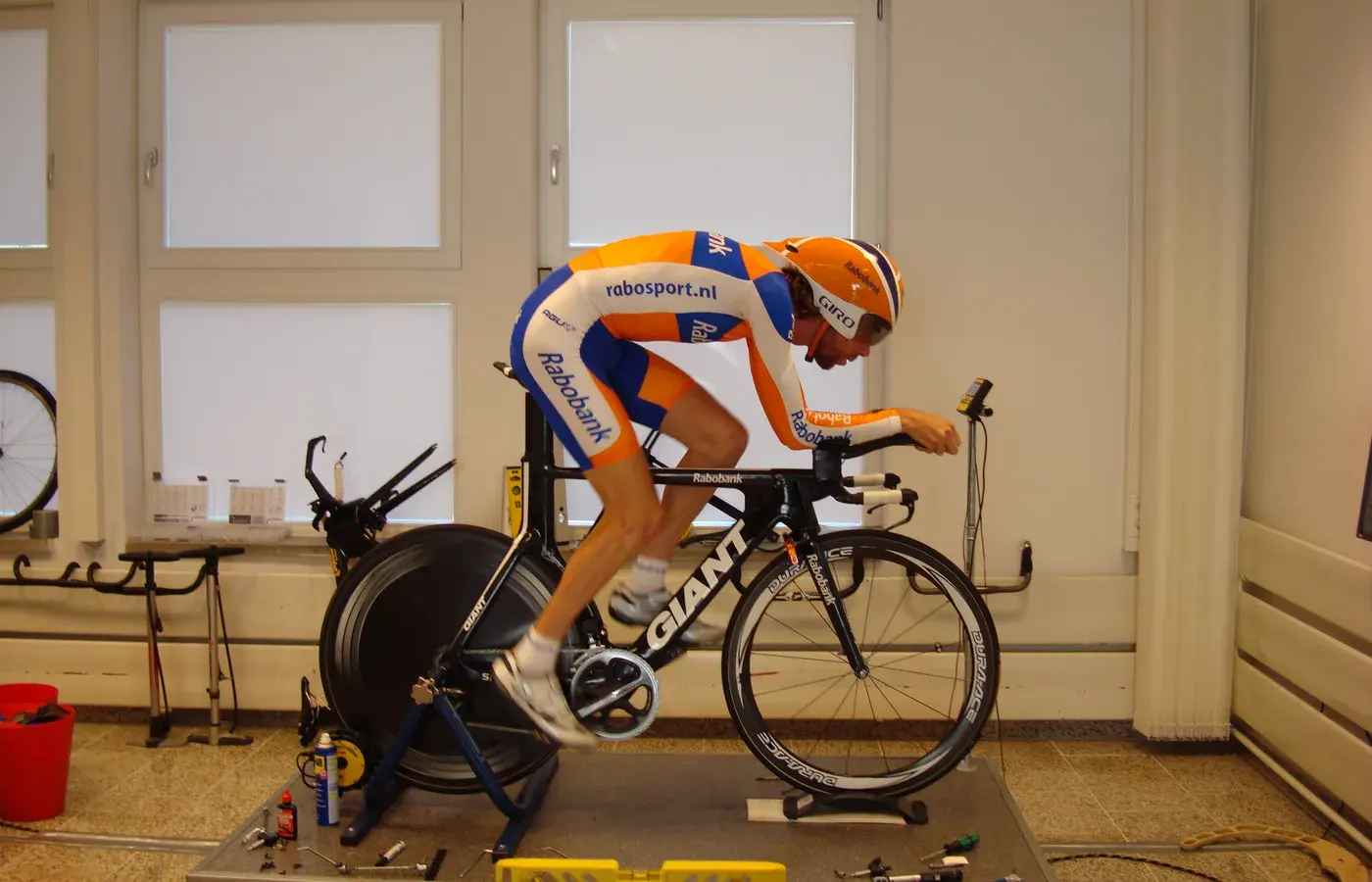
An aero bike fit focuses on building the position. Aerodynamic testing focuses more explicitly on comparing options and validating assumptions. The two overlap, but the emphasis here is on making better performance decisions rather than only creating a starting position.
If the base position is not stable yet, the standard aero fit is usually the better first step.
Testing support in Bensheim
Sometimes testing confirms the obvious. Often it exposes that the glamorous option was not the smart one.
The value here is clarity. You leave with a narrower, more defensible next step instead of a pile of aero assumptions.