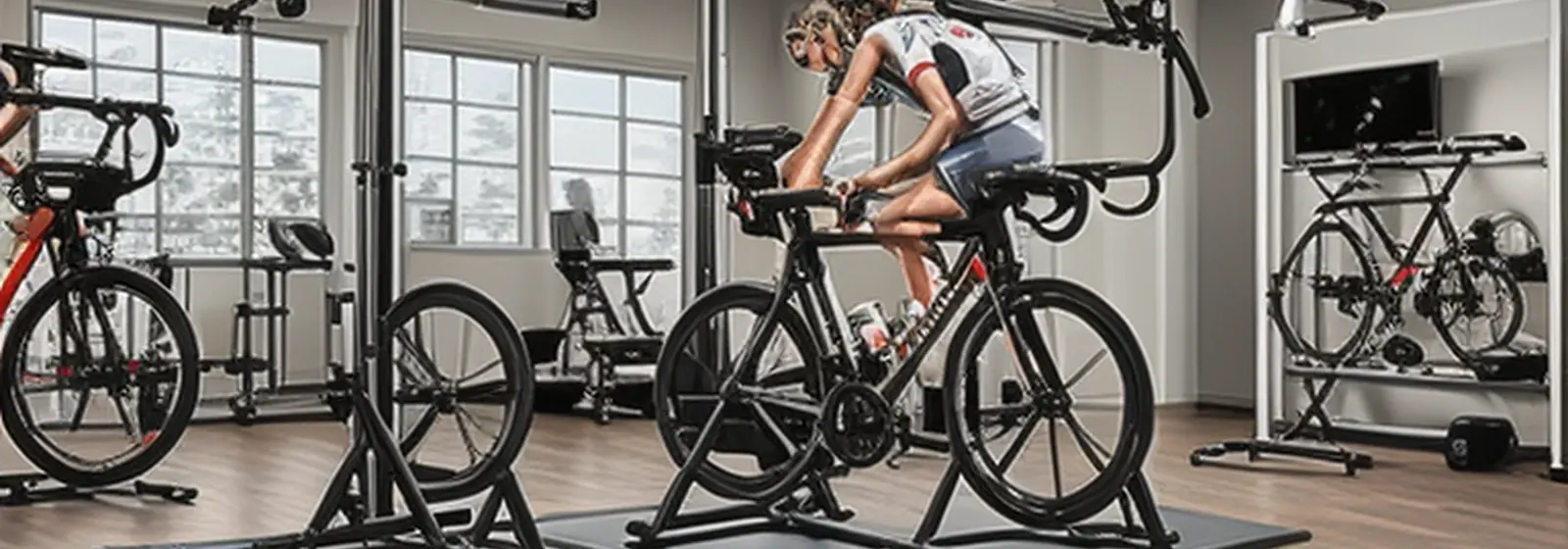
Peloton bike fit is for riders on a fixed indoor platform where the geometry does not move but the contact points still do. The frame is set, so the fit is about using the range that remains — saddle, bar and pedal decisions — to make the bike comfortable for the longer, structured sessions a Peloton is built for.
You work directly with me, Lloyd Thomas. I assess the platform, the parts you can change and how you load the bike, then decide which adjustments are worth making and which are not.
Why a fixed platform still needs a fit
A Peloton feels approachable because so little seems adjustable, and that is exactly why small setup errors persist. When the geometry is locked, the burden shifts onto saddle position, bar height, reach and the contact points — and those are the parts that decide whether long indoor sessions feel supported or start to hurt.
- your Peloton feels fine for ten minutes and worse over a full class
- you get saddle pressure, numb hands or a sore neck on longer rides
- the stock saddle or pedals do not seem to suit you
- you want the platform set up sensibly rather than copied blindly from your road bike
What I work with on a Peloton
I look at saddle height and setback, bar height and reach, cleat and pedal choice, and how the fixed geometry changes the way you take load. The real question is how to use the adjustment that exists — not to pretend the frame can move when it cannot.
That means honest decisions: which changes genuinely help, whether a saddle or pedal swap is worth it, and where the platform’s limits simply have to be worked around.
Why riders book this instead of a generic fit page
This page is for riders whose problem is the Peloton platform specifically: fixed geometry, stock contact points and a static, structured-session load. If your setup is a smart trainer or a dedicated winter bike rather than a Peloton, Indoor Trainer Bike Fit is the more accurate page. If the barrier is distance rather than the platform, Virtual Bike Fitting fits better.