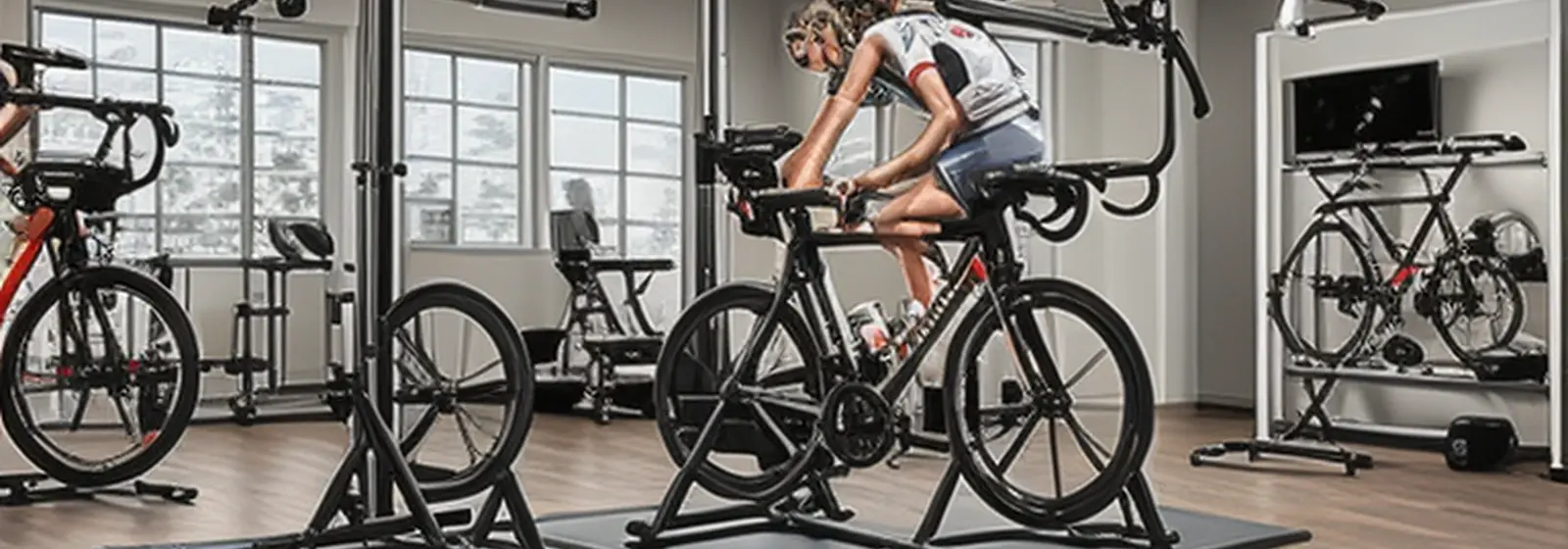
Indoor trainer bike fit is the more specific version of indoor fitting. It is for riders with a dedicated smart-trainer setup, a permanent winter bike, a rocker plate or a fixed indoor station that needs to work repeatedly over longer structured sessions.
You work directly with me, Lloyd Thomas. I assess the bike, the trainer environment and the rider together so the whole station supports the kind of training you actually do.
When a trainer-specific fit makes sense
Very small errors become obvious when the same indoor station is used again and again in the same static pattern. If your trainer bike feels different from your outdoor bike and you do not know whether to match it or adapt it, this page is the better match than the broader indoor page.
It is especially useful when the problem lives in the station itself, not just in indoor discomfort in general.
- your dedicated trainer bike feels wrong and you do not know why
- a static setup for structured training causes pressure or numbness
- you want to match a smart-trainer position more sensibly to your outdoor bike
- you use a rocker plate or altered front-end support and want the whole setup reviewed together
What I review in a fixed station
I look at saddle position, bar height, reach, cleat setup and how the trainer itself changes the feel of the bike. The real question is whether the whole indoor station is supporting the type of load you place on it.
That means this page is not about copying numbers blindly. It is about deciding which differences matter and which ones are simply noise.
Why riders book this instead of a generic fit page
This page is for riders whose indoor station has become its own problem. The trainer bike, the room setup, the front-end support or the static loading pattern is now part of what needs to be solved.
If the issue is a Peloton platform, Peloton Bike Fit is more specific. If you only know that indoor riding feels worse than outside, Indoor Bike Fit is the broader starting point.