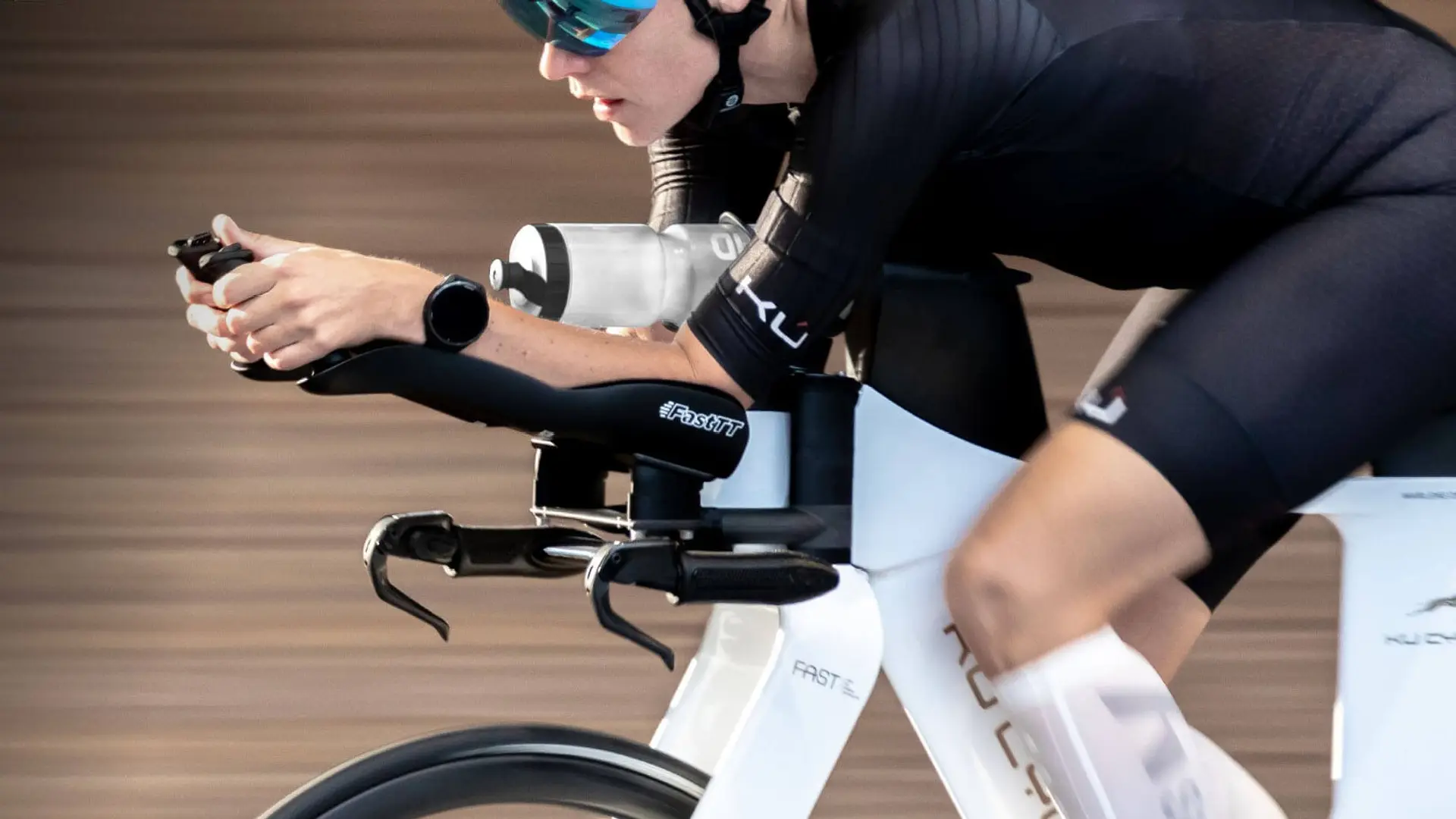
Kú Cycle · Authorised Fitter
Kú TF1, built around your fit
The Kú TF1 is a made-to-measure triathlon bike — the fit comes first, then the frame. Fit-first TF1 guidance with Lloyd Thomas at CycleFit Europe in Bensheim.
Triathlon/TT · made-to-measure · fit-first · from €12,000 excl. VAT
The Kú pathway
Fit first. Then the frame.
- 01 Kú Cycle Fit
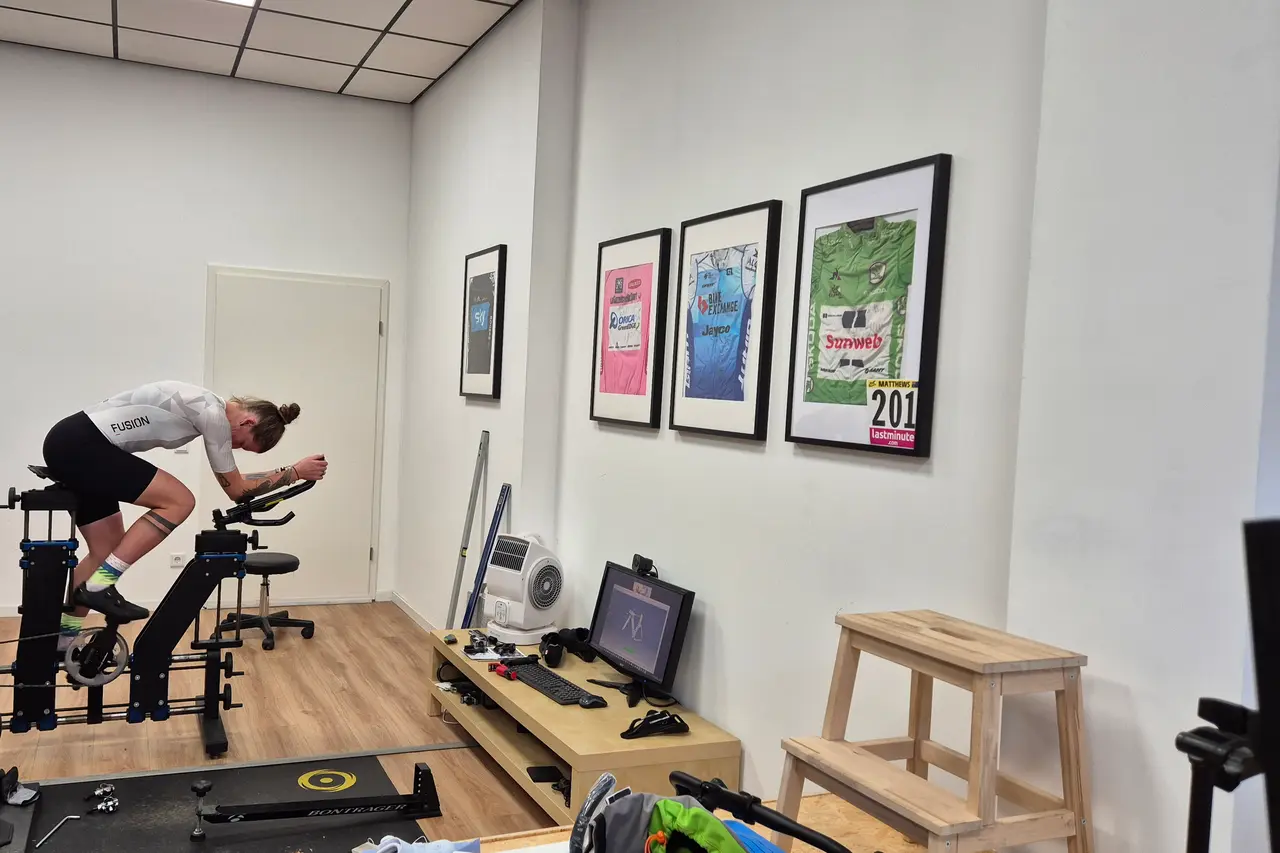
The fit — here in Bensheim.
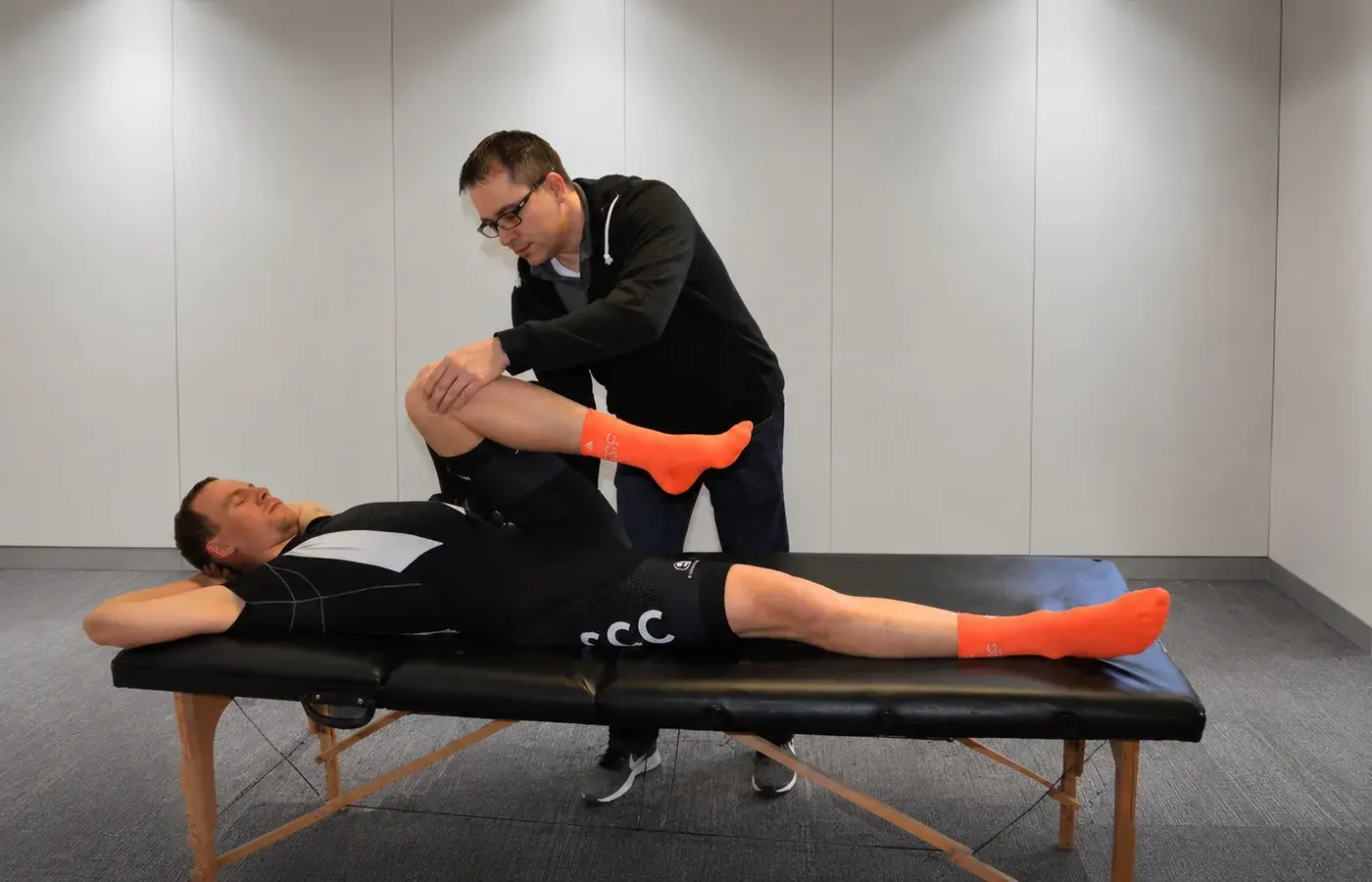
We establish your optimal position, free of any existing frame’s constraints. Pad X/Y and body dimensions captured cleanly.
Step 01 · in Bensheim - 02 Rider-Specific Frameset
The frame, made to measure.
Kú designs the frame geometry around your fit data — including the frame-specific fork length.
Step 02 · at Kú - 03 The Perfect Fit
Body and machine as one.
The finished bike matches your body and riding style — “the perfect fit between body and machine.”
Step 03 · your TF1
Why the fit decides everything
Your coordinates become the frame
A frame can’t be changed once it’s built. The fit is everything — garbage in, garbage out. That’s exactly why position comes before product.
What genuinely sets the TF1 apart
Official TF1 technology — no invented claims
Open front end
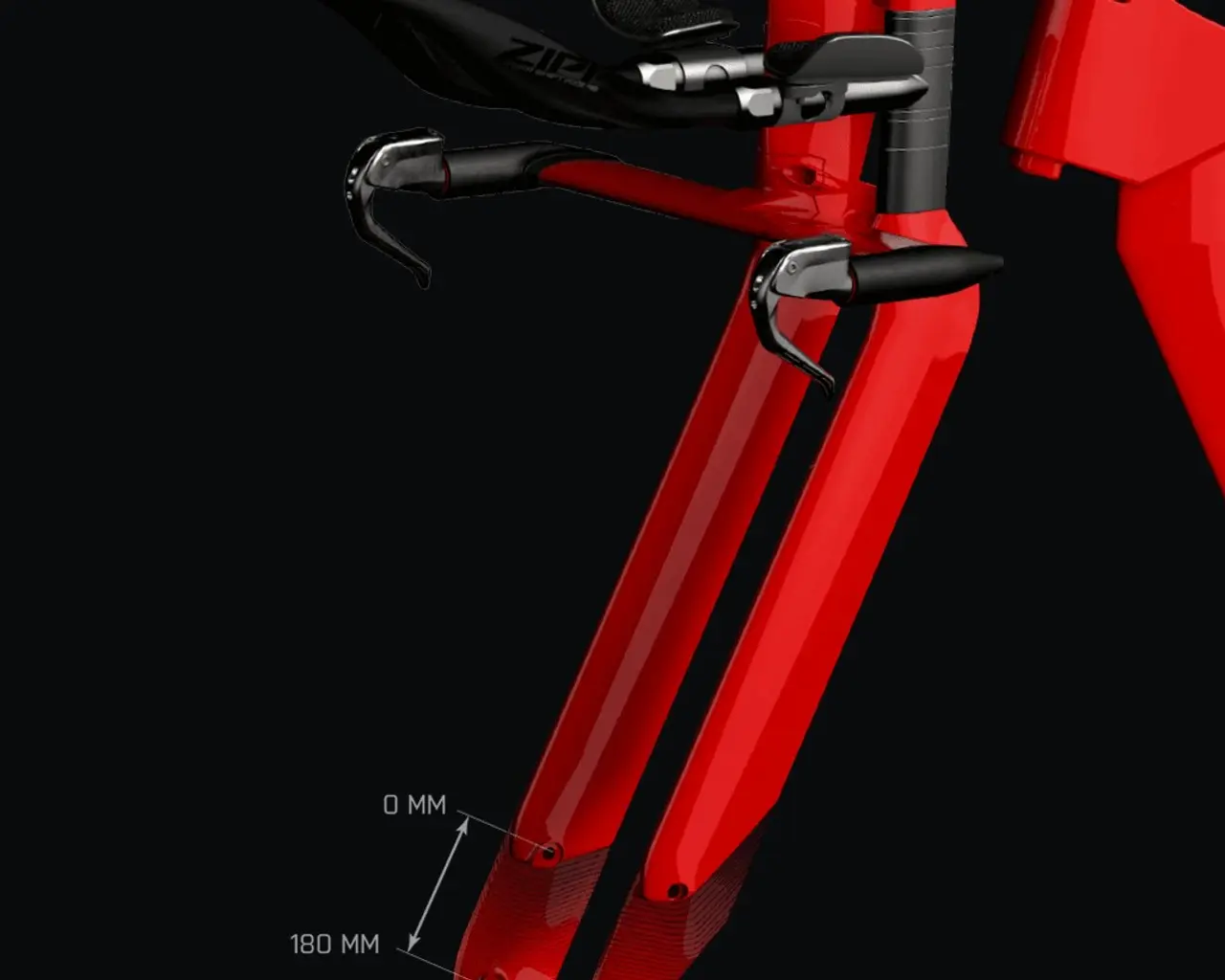
An aero high fork and head tube tucked between the rider’s arms — literally opening up the entire front of the bike.
Steerer Pivot Box
Replaces the traditional fork steerer tube for improved front-end stiffness and more direct steering response.
Frame-specific fork length
Fork length matched to each frame size — optimised weight distribution and “feeling one with the bike.”
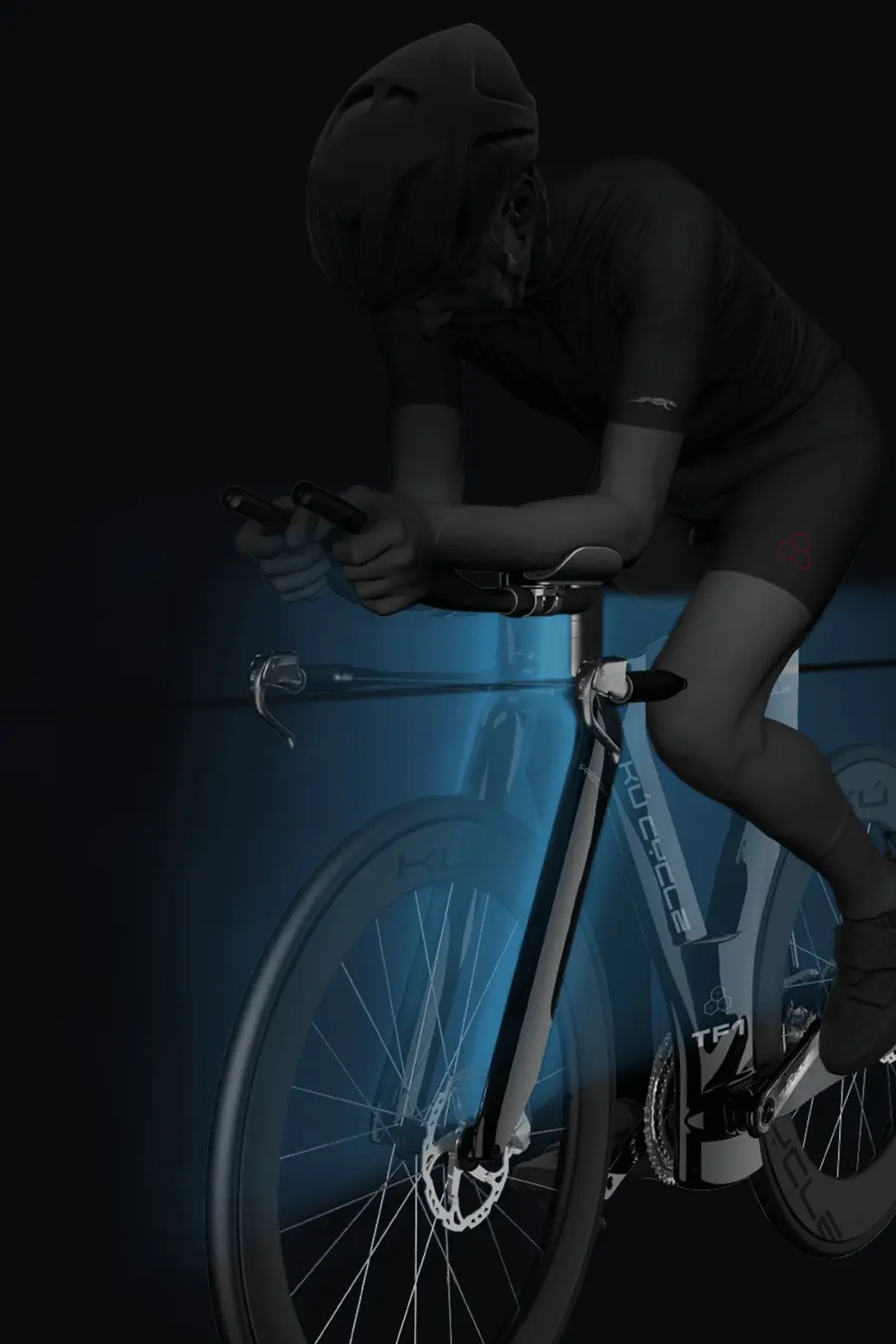
Three aero F-Ducts
Reduce drag around the rider.
Wireless & serviceable
Deliberately free of complex hidden wiring — wireless drivetrain, practical to service.
Integrated aero storage
An aero nutrition station and a repair kit in the nose cone.
Aerodynamics that include the rider
Rider and frame as one system
The biggest drag source isn’t the frame alone — it’s the rider and frame together, and the front of the bike drives most of it. A bike can test fast in a tunnel and still fail the rider if the position can’t be held. That’s why position comes before product.
The TF1
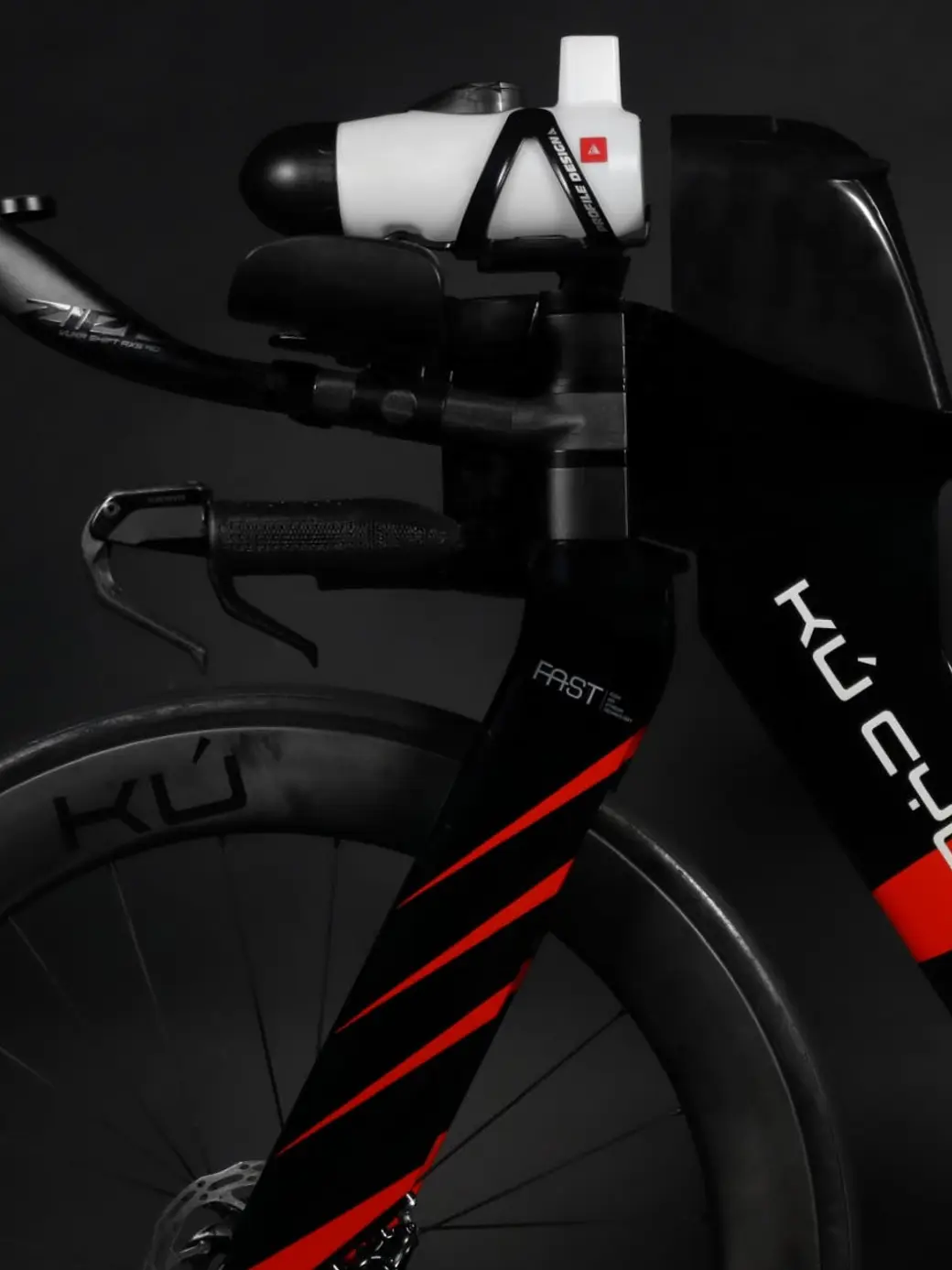
Pricing reference
Transparent reference — not a quote
Reference figures, not a quote. Excl. VAT, shipping and import duties. Your fit and build direction drive the final spec.
Source: Kú price list (reference) · reviewed periodically.
What happens next
The route to your TF1
- 01
Fit consult
We settle position, goal and feasibility — in person or as the starting point.
- 02
Structured enquiry
Goal, current bike, budget and timeframe — plus your fit report if you have one.
- 03
Kú builds the frame
With clean data, Kú designs the frame-specific geometry around you.
The TF1 is not a stock superbike pulled from a size run. It is a rider-specific, made-to-measure triathlon and time-trial platform — and it only makes sense when the frame, fork and front end follow your position, instead of forcing you to adapt around the bike later.
My job is to protect that decision. Not to sell every rider a TF1, but to make sure the right rider makes the right call before any money is committed.
Who this is for
- you want a clear TF1 direction before you order
- you ride triathlon or time trial and need aero you can actually hold
- you want frame, cockpit and position decisions to stay aligned from the start
- you’d rather avoid expensive second-guesses on frame, cockpit or components
Why the buying decision starts with a fit
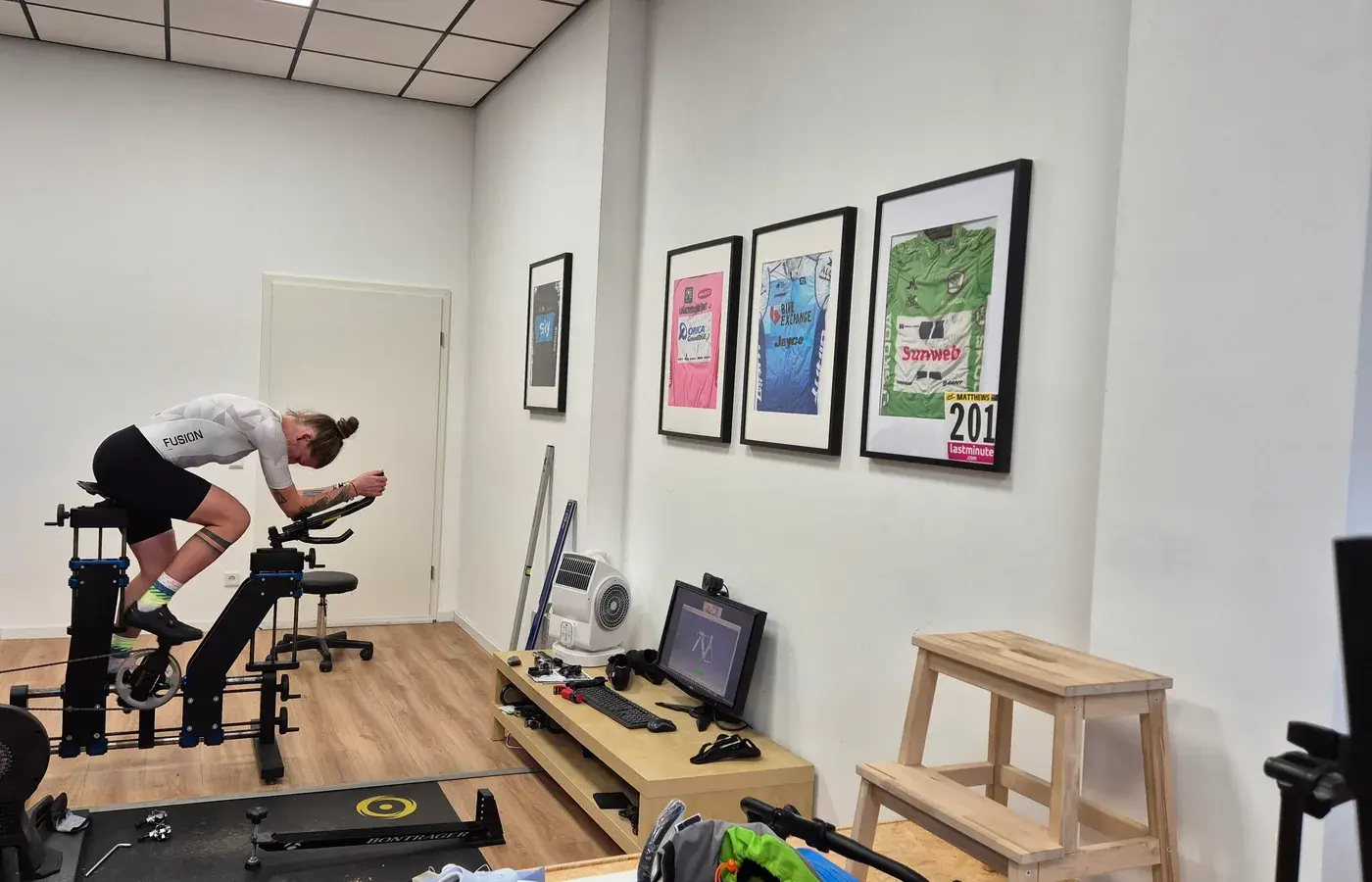
A premium bike doesn’t remove the need for clean decisions — it raises the cost of getting them wrong. If the stack-and-reach window, cockpit logic or contact points are judged too late, you can buy precision and still live with compromise.
So I treat this as an independent fit-and-build decision, not a product push. The expensive part is rarely just the frame — it’s the combination of frame, position, cockpit and the confidence to commit to the right route. That’s the part worth getting right first.
Is the Kú TF1 right for you?
- you race triathlon or time trial seriously
- you want a bike built around your position rather than adapted to it
- you need a cockpit that supports your shoulders, arm position and race distance
- you value a guided decision path over a catalogue choice
If you want deeper background on how I work, read the About Lloyd Thomas page.
FAQ
Frequently asked questions
Is the Kú TF1 a standard sized bike?
No. The TF1 is made to order and one hundred percent rider-specific. Your position and fit data guide the frame and build direction — there is no stock size chart.
Do I need to own a TF1 already?
No — and starting before you order is usually the clearer route, so the bike follows your position rather than the other way around.
Is this only about aero?
No. Aero matters, but only if the position is stable and repeatable. I judge aero through control, breathing and whether you can actually hold it late in a race.
Should I start with the referral or book a fit first?
Book a fit first if you do not yet have a fit report — it makes the next step more reliable. If you already have a fit report, or want to submit your build context and buying intent directly, use the referral.
What happens after I submit the referral?
I review it against your position, event focus, bike context, budget and timing, then advise whether the next step is a fit, a sizing conversation, or a direct Kú route.
Can I choose my own paint design?
Yes. Kú offers different paint and logo personalisation levels through authorised fitters. That decision belongs after the fit and build direction is clear.
Is this only for elite athletes?
No. It is for riders who value a serious fit-first process and want a premium triathlon bike that supports their position — competitive age-groupers, long-distance athletes and time-trial riders included.
Can you help if I am travelling from Frankfurt, Mannheim or further away?
Yes. Many riders travel in for this. The important part is arriving with the right decision path rather than trying to guess it all alone first.
Ready to start with the fit?
The expensive part is rarely just the frame. Let’s start with your position — not a catalogue.