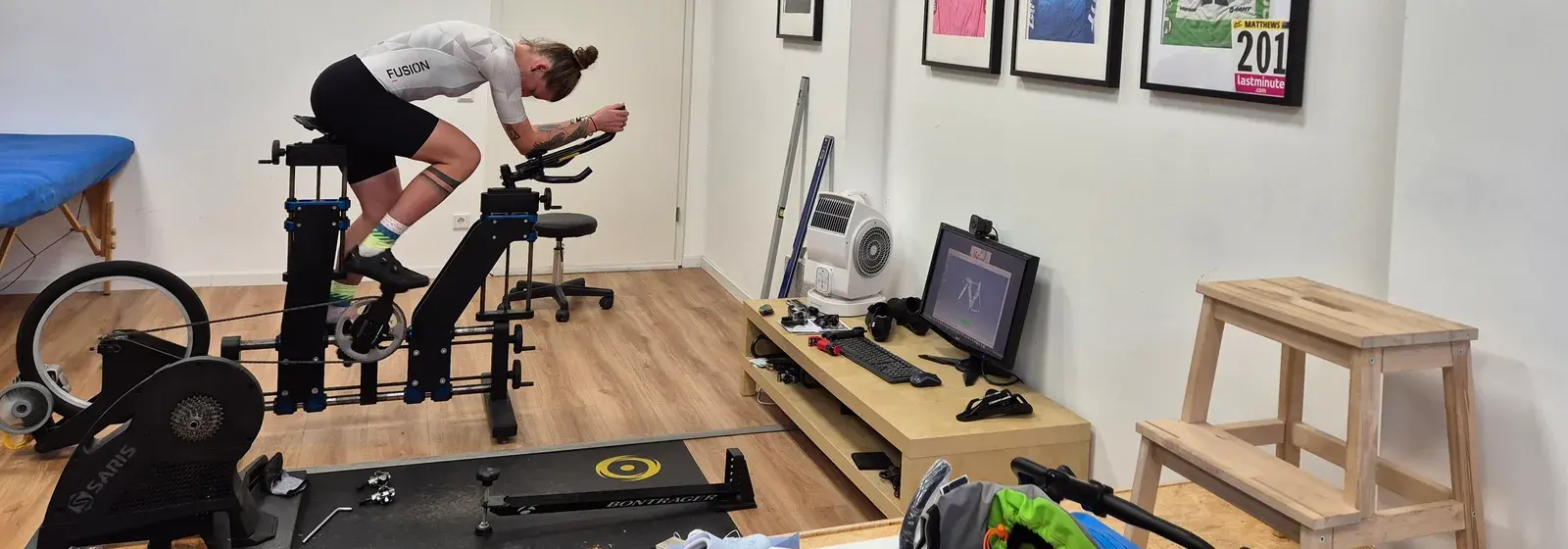
A bike can easily cost €3,000, €5,000 or €7,000. That is a decision you want to get right once, not correct afterwards. Custom bike sizing settles which geometry actually suits you before you buy, rather than after.
You work directly with me, Lloyd Thomas.
I do not sell bikes
Brand-neutral here is meant literally: no sale, no commission, no house brand, and no dealer I hand you on to. I have no interest in you buying a particular bike. I have an interest in you buying the right one.
That is not a footnote, it is the foundation. If I advise you against a frame, I earn nothing by doing so. That is what makes the assessment worth having.
Before or after buying?
Before, if you have not bought yet. Sizing decides the frame you will live with; a fit refines the bike you already own. A frame that is wrong for you cannot be adjusted into being right — stems, spacers and setback posts only move the problem around, and each one is a compromise you paid extra for.
If you already have a shop in mind
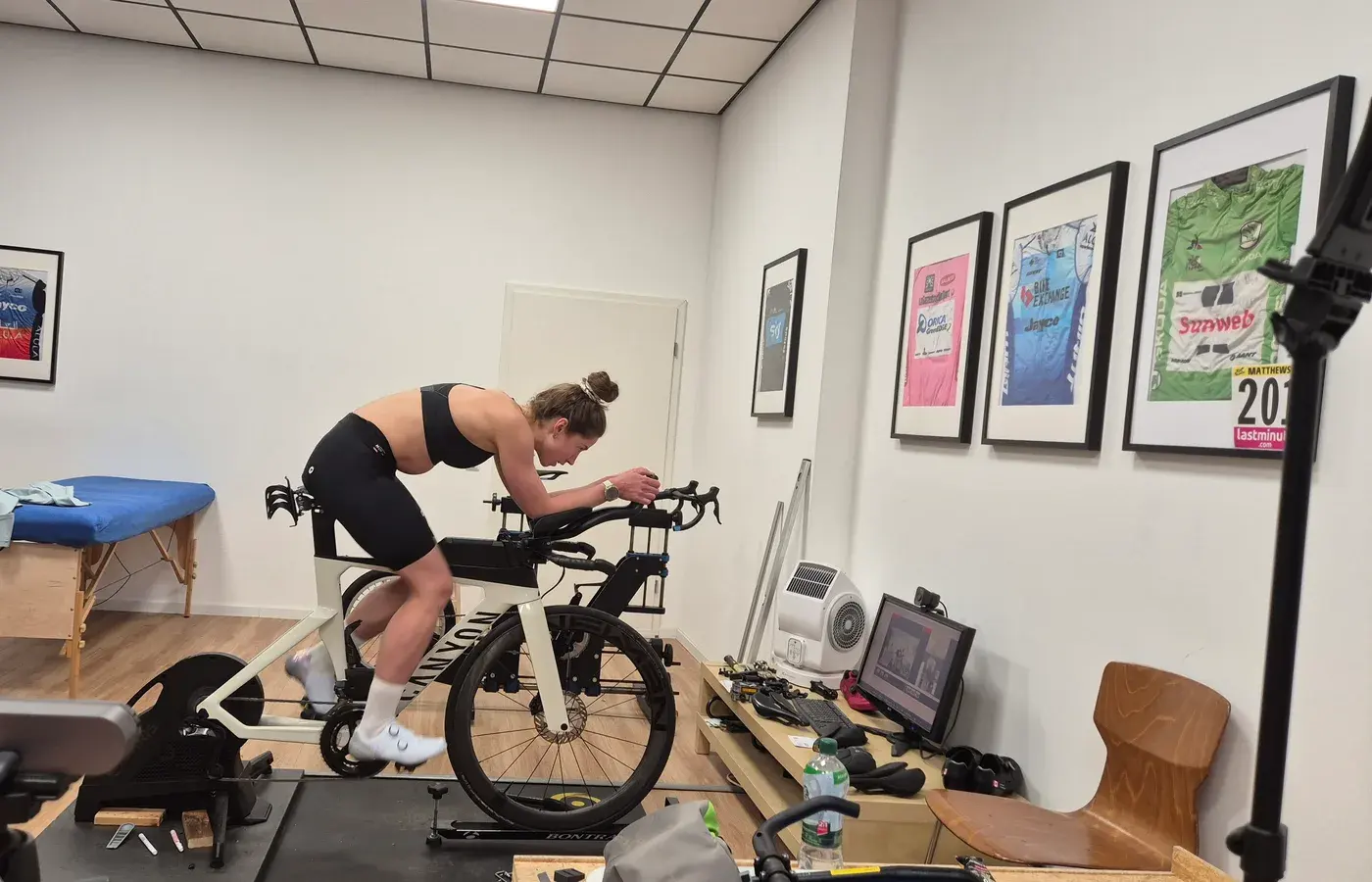
Plenty of people arrive with a shop already chosen. Because the workshop is good, because the service has been reliable, because it is close by. Those are sound reasons, and I do not work against them.
So I look inside that shop’s range first. Not reluctantly, but with a genuine interest in finding something in their line-up that works. A dealer with a good workshop is worth more to you over the years than a frame that fits two millimetres better on paper.
And if nothing there fits
Then I tell you. Plainly, without dressing it up.
What I will not do is point you at a different shop. I describe what the bike would need to do, and otherwise stay out of it. That conversation belongs between you and your dealer, who can usually order considerably more than what is standing on the shop floor.
For the shop, that means they can send you to me without risk of losing you. For you, it means nobody in the room has a stake in how your decision turns out.
What happens in the session
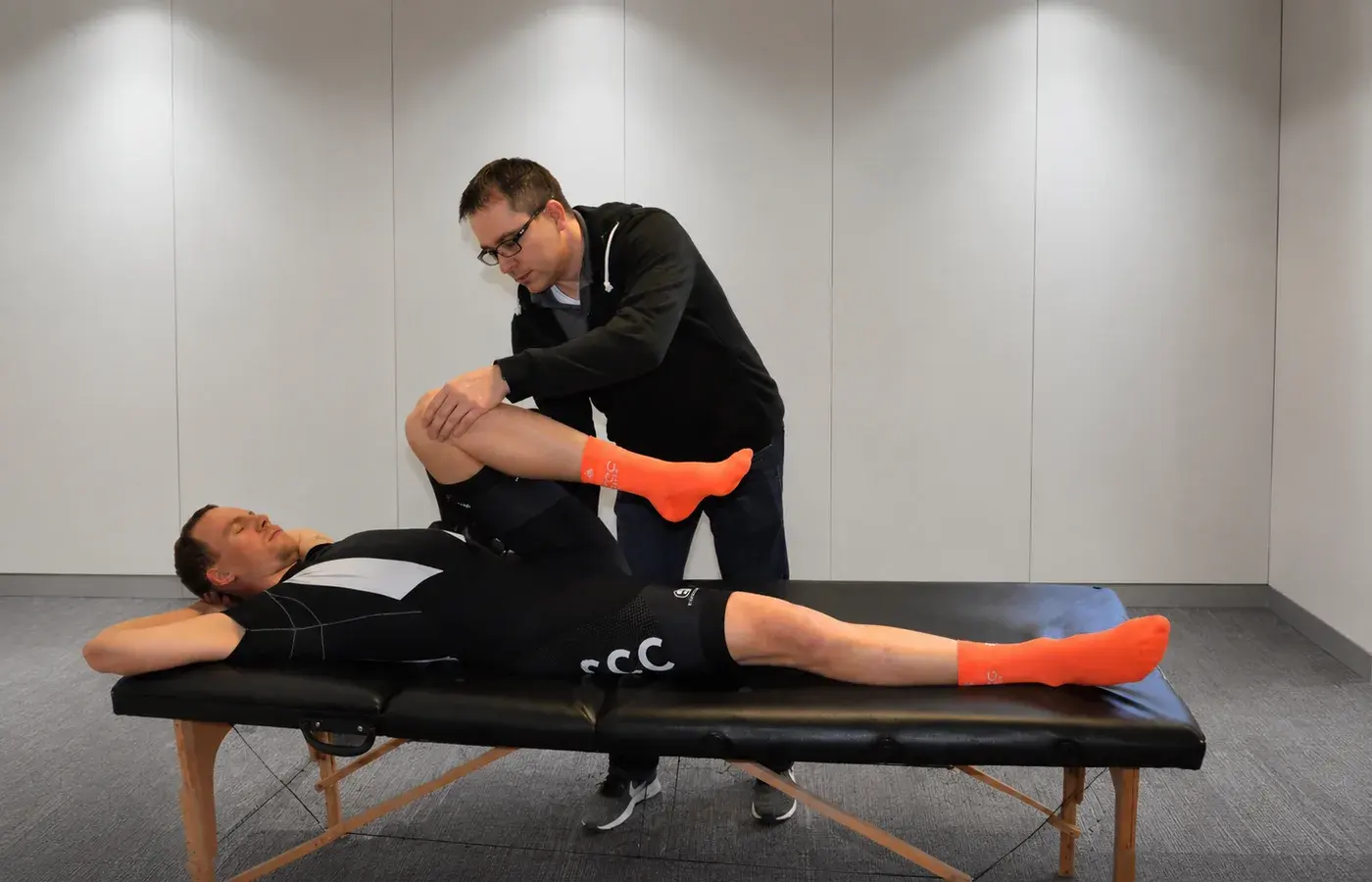
I do not simply look up a nominal frame size. What matters is which platform suits your body, your riding and the build you have in mind.
- your proportions, mobility and stability, measured rather than estimated from your height
- your intended use: road, gravel, triathlon, MTB or e-bike
- stack, reach and front-end range on realistic frame options
- cockpit, bar width and crank length as part of the decision
- whether two or three shortlisted bikes are genuinely comparable
What you know afterwards
You leave with a defensible direction rather than a vague opinion. Which size fits? Which platform gives the cleaner route to your target position? Where do compromises appear later that you could still design out today?
- a realistic size range instead of a manufacturer’s chart
- an assessment of stack, reach and front-end room
- guidance on components that make sense for the build
- a clear split between the options that work and the ones that do not
If you are torn between two sizes or two model ranges, that clarity saves time, money and later rebuilds.
Where to go next
If you already own the bike and want to resolve discomfort or instability, Bike Fitting is the right starting point. This page belongs to the moment before the purchase.