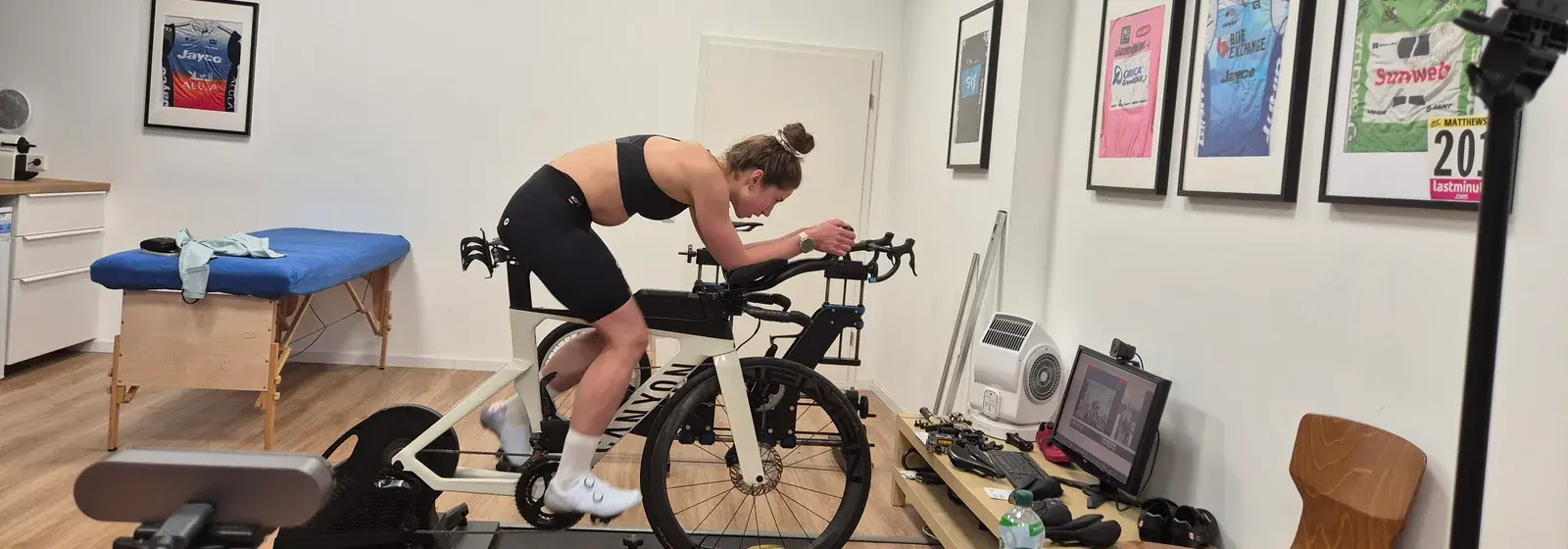
E-bike bike fitting should make the bike easier to trust, easier to control and more comfortable over the kind of riding e-bike owners actually do. Longer rides, heavier bikes, more frequent stopping and starting, and a wider range of mobility or confidence backgrounds all change what good support looks like.
You work directly with me, Lloyd Thomas. This is not a standard road fit with a motor attached. The goal is a setup that feels stable, calm and realistic in everyday use.
When e-bike fitting makes sense
Many e-bike riders are not looking for an aggressive position. They want the bike to feel more secure, less awkward and less tiring. That usually means improving support through the saddle and hands, calming the front end and making the bike easier to manage when riding loaded or starting and stopping often.
This page is especially relevant if the bike feels heavy, hard to settle on or more fatiguing than it should despite the motor assistance.
- less hand, wrist or shoulder discomfort on longer assisted rides
- better saddle support and less low-level irritation
- more stable steering and calmer control
- easier mounting, stopping and low-speed confidence
- clearer judgment on whether the current size and cockpit are helping or hurting
How this differs from a standard bike fit
The priorities are different. On an e-bike, comfort, braking confidence, reach, support and ease of use often matter more than chasing a lower or sportier position. The heavier bike and the way it gets ridden change the demands on the setup.
If your bike is a non-motorized commuter or city bike, City Bike Fitting is the closer match. If you are using a performance-oriented e-road or e-gravel bike, this page still applies, but it connects naturally back to the broader Bike Fitting service.
What should improve after a good e-bike fit
The bike should feel easier to live with. You should not feel like you are negotiating with the setup on every ride. A better position reduces unnecessary strain and increases the sense that the bike is supporting you instead of asking you to compensate for it.
That is usually what riders mean when they say they want more comfort and confidence.